Long summer evenings in the garden
Light, warmth, good food and a comfortable seat: how to make the garden a place to stay long after sunset.
Read more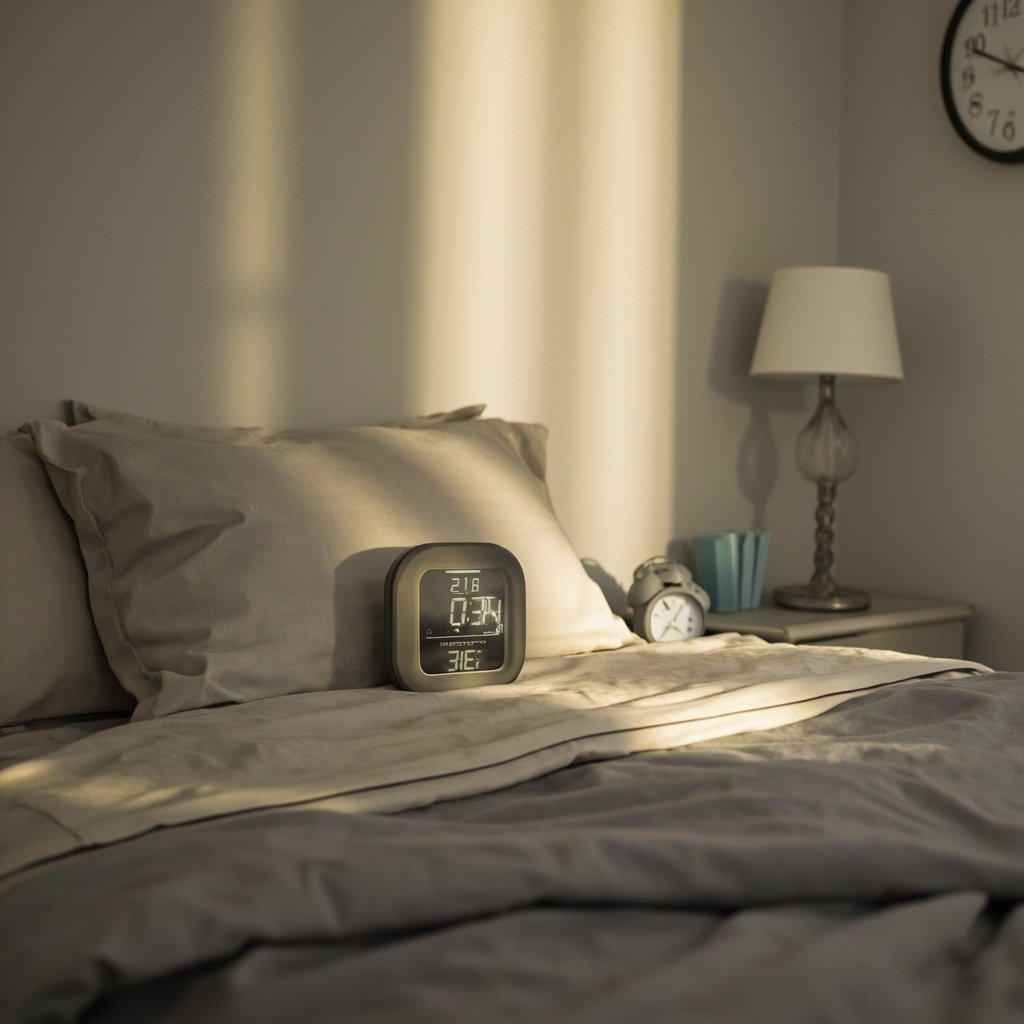
We spend about a third of our lives asleep, but we rarely think about the room we sleep in. Yet light, air and sound have a big effect on how well we rest. Here are a few simple changes you can make tonight.
Your body clock follows light. Darkness tells your body it is time to sleep; light tells it to wake up. Keep the bedroom as dark as possible at night. Cover small lights from chargers and devices.
In the morning, light helps you wake up. In winter, it is often still dark when the alarm goes. The Zonnewende wake-up light alarm clock slowly brightens over thirty minutes before your alarm, like a sunrise. Most people wake up more easily and in a better mood. In the evening, its sunset mode dims slowly to help you fall asleep.
Need light to get to the bathroom at night? A night light with motion sensor gives just enough light to see, without waking you up fully.
Most people sleep best in a cool room, between 16 and 19 degrees. A room that is too warm makes you restless.
Humidity matters too. Below about 40 percent, the air feels dry, and your throat may feel scratchy in the morning. Above 60 percent, the room feels stuffy, and mold can grow. A digital indoor thermometer and hygrometer shows both numbers, with a small face that tells you if the air is right. Air the bedroom for ten minutes every morning.
Small sounds can keep you awake. A ticking clock is one of the most common. The wall clock with silent movement has a second hand that glides instead of ticks, so you won’t hear it. If your partner reads in bed, a clip-on reading lamp lights only the page, not the whole room.
Fresh bedding, a soft throw at the foot of the bed and a tidy room help your mind settle. Clear the bedside table of everything but a lamp, a book and a glass of water. Under-bed storage bags keep spare bedding and out-of-season clothes out of sight.
Go to bed and get up at about the same time every day, also at the weekend. Your body likes rhythm. Within a week or two, you may find that you wake up just before your alarm, rested and ready for the day.
Light, warmth, good food and a comfortable seat: how to make the garden a place to stay long after sunset.
Read moreRain outside, energy inside. Seven ways to keep children busy and happy at home, without a screen.
Read moreFresh beans, the right grind and warm cups: three simple changes that make your coffee at home taste like a…
Read more