How to store winter clothes for the summer
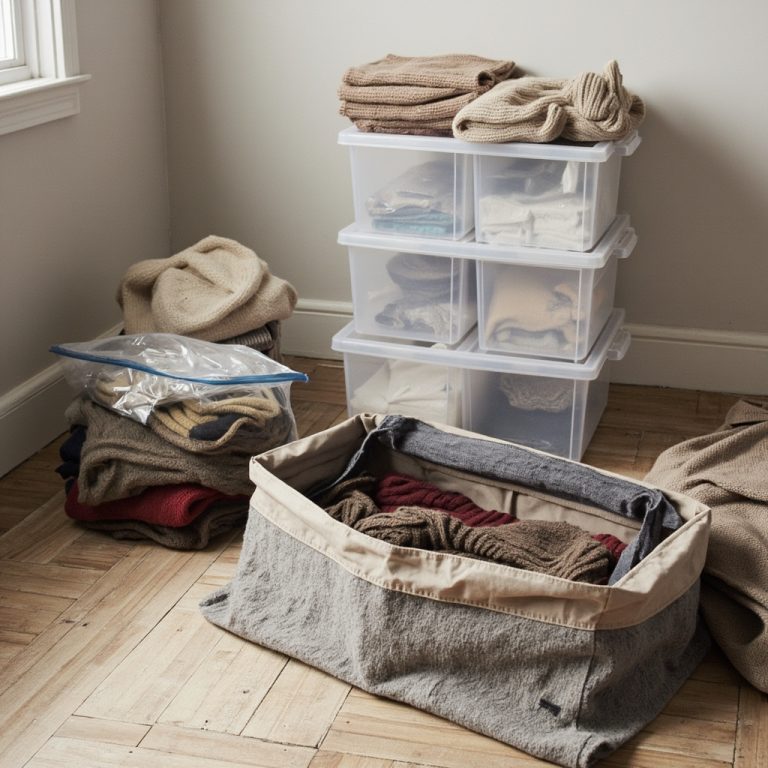
Clean, dry and in the right bag or box: how to store coats, sweaters and bedding so they come out…
Read the guide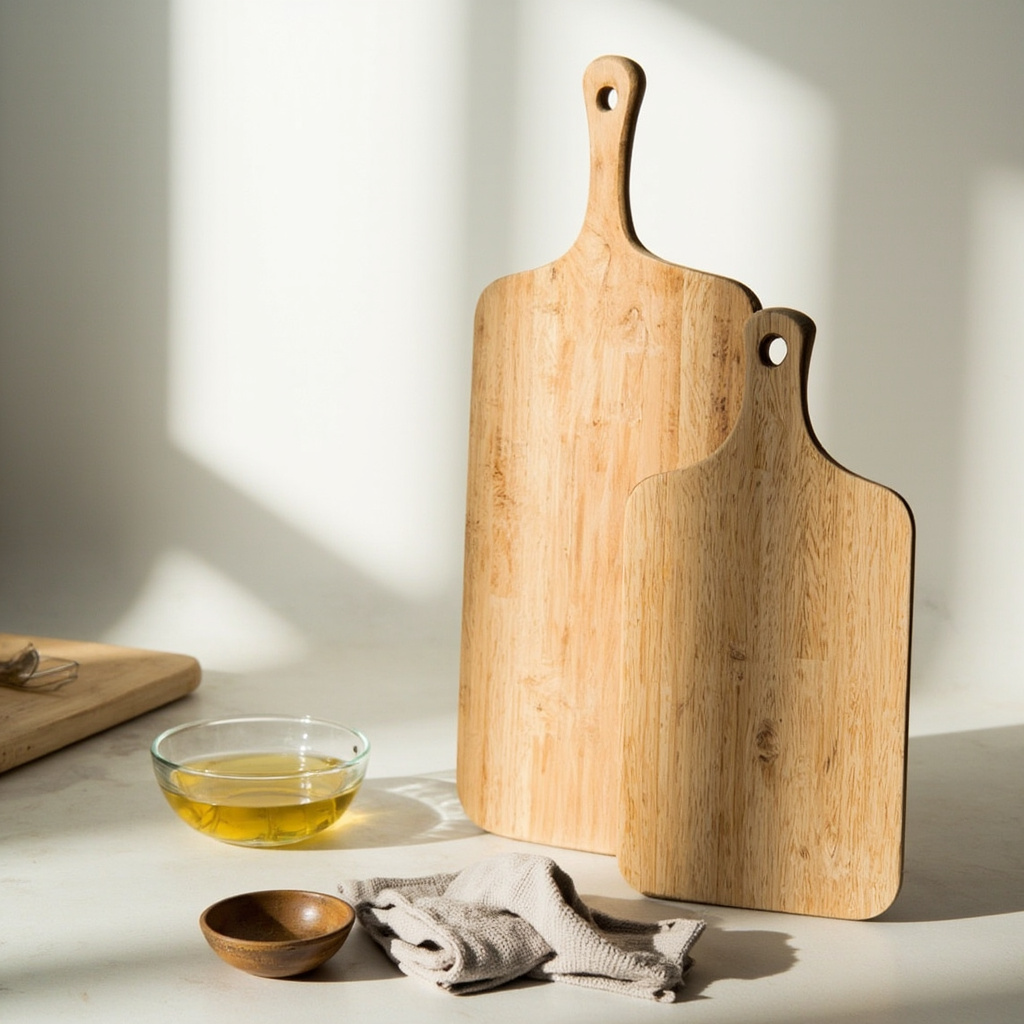
A good wooden cutting board can last a lifetime. It only needs a few minutes of care now and then. This guide works for the bamboo cutting board, large, and the oak cutting board, small.
Rinse the board under warm water. Scrub it with a brush and a drop of dish soap, along the grain. Pay extra attention to the juice groove of the bamboo board, where bits of food collect. Rinse well.
Never put a wooden board in the dishwasher, and never leave it soaking in the sink. Wood that stays wet swells, and when it dries again, it cracks.
Wipe the board with a tea towel. Then let it dry standing on its side, so air reaches both faces. A board that dries flat on the counter stays damp underneath and can warp. The oak board has a hole in its handle, so you can hang it on a hook.
Oil keeps the wood from drying out. When the board looks pale and dry, it is time.
Don’t use olive oil in large amounts: it can turn rancid over time.
When a board smells of onion or garlic, or has stains, sprinkle coarse salt over it. Scrub it with half a lemon, cut side down. The salt scrubs and the lemon freshens. Rinse, dry and oil it.
Use one side for raw meat and fish, and the other side for bread, fruit and vegetables. Or keep two boards: the large bamboo board for meat, and the small oak board for bread and cheese.
Small cuts in the surface are normal. When the board gets rough, sand it lightly with fine sandpaper, along the grain, and oil it again. It looks almost new.
A sharp knife is kinder to a board than a dull one. See our guide on caring for kitchen knives.
Clean, dry and in the right bag or box: how to store coats, sweaters and bedding so they come out…
Read the guideYou don't need a gym. With a mat, a few bands and one weight, a small corner of your home…
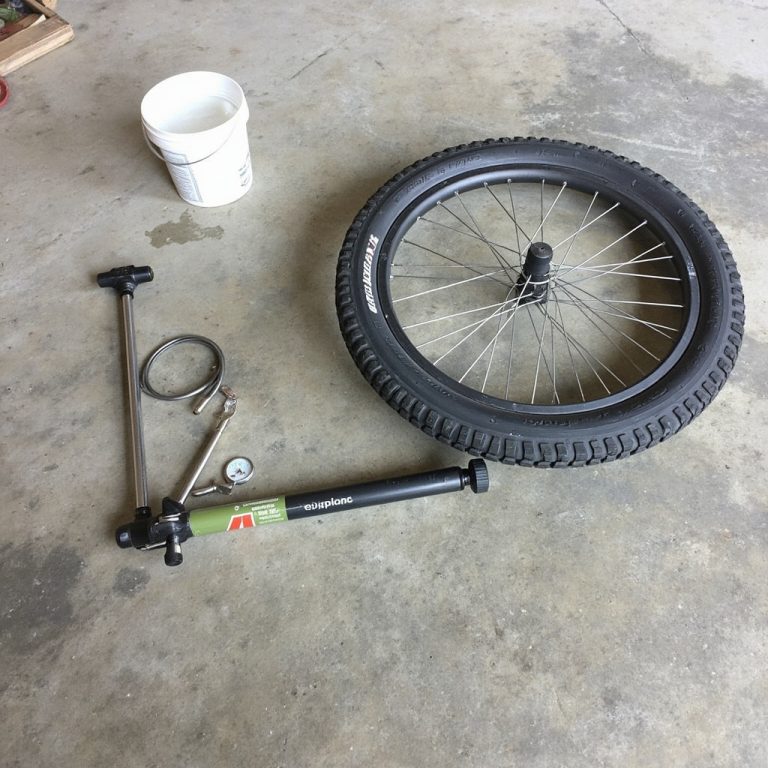
Read the guideA flat tire doesn't need a bike shop. How to find the hole, patch the inner tube and pump it…
Read the guide