Long summer evenings in the garden
Light, warmth, good food and a comfortable seat: how to make the garden a place to stay long after sunset.
Read more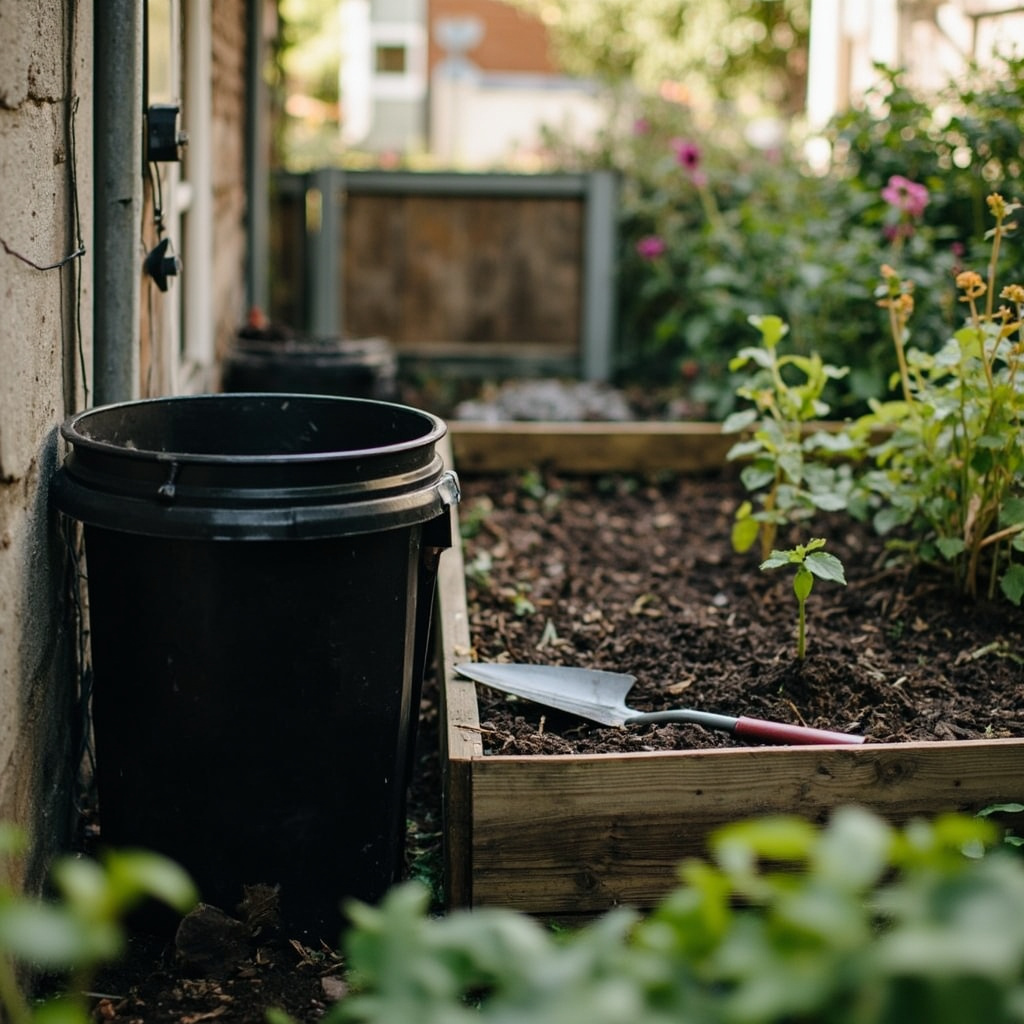
Compost is the best food there is for a garden, and you can make it yourself from waste you already throw away. You don’t need a big garden or a lot of time. One bin in a corner is enough.
Place the bin directly on soil, not on tiles or concrete. Worms, beetles and other small helpers come in from below and do much of the work. A spot in half shade is best. In full sun, the compost dries out. In deep shade, it stays cold and slow.
The compost bin 300 liters takes about fifteen minutes to set up. The panels click together without screws, and the lid locks so wind and animals stay out.
Good compost needs two kinds of material, in roughly equal amounts.
Too much green, and the bin turns wet and smelly. Too much brown, and nothing happens. Add them in thin layers, and the balance takes care of itself. A bag of dry leaves next to the bin, collected in autumn, is handy for all year.
Leave out meat, fish, dairy, cooked food with oil, and pet waste. They smell and attract rats. Also leave out weeds with seeds and diseased plants.
Compost needs air. The openings in the sides of the bin let it in. Once a month, stir the top layer with a garden fork. The compost should feel like a wrung-out sponge: damp, not wet. In a dry summer, pour a watering can of water over it. Rainwater from the rain barrel works well.
After six to twelve months, the bottom of the bin turns into dark, crumbly soil that smells like a forest floor. Open the hatch at the bottom and scoop it out with the garden trowel with ash handle. The new waste keeps going in at the top.
Mix the compost into your borders, or fill the raised garden bed, cedar wood, with a mix of compost and garden soil. Your vegetables will notice the difference.
A family produces a surprising amount of kitchen waste. With a compost bin, much of it goes back into your own garden instead of into a container. Less waste, better soil and free plant food. That is a good deal for one corner of the garden.
Light, warmth, good food and a comfortable seat: how to make the garden a place to stay long after sunset.
Read moreRain outside, energy inside. Seven ways to keep children busy and happy at home, without a screen.
Read moreA good night starts with the bedroom. How light, temperature, humidity and sound affect your sleep, and what you can…
Read more