Long summer evenings in the garden
Light, warmth, good food and a comfortable seat: how to make the garden a place to stay long after sunset.
Read more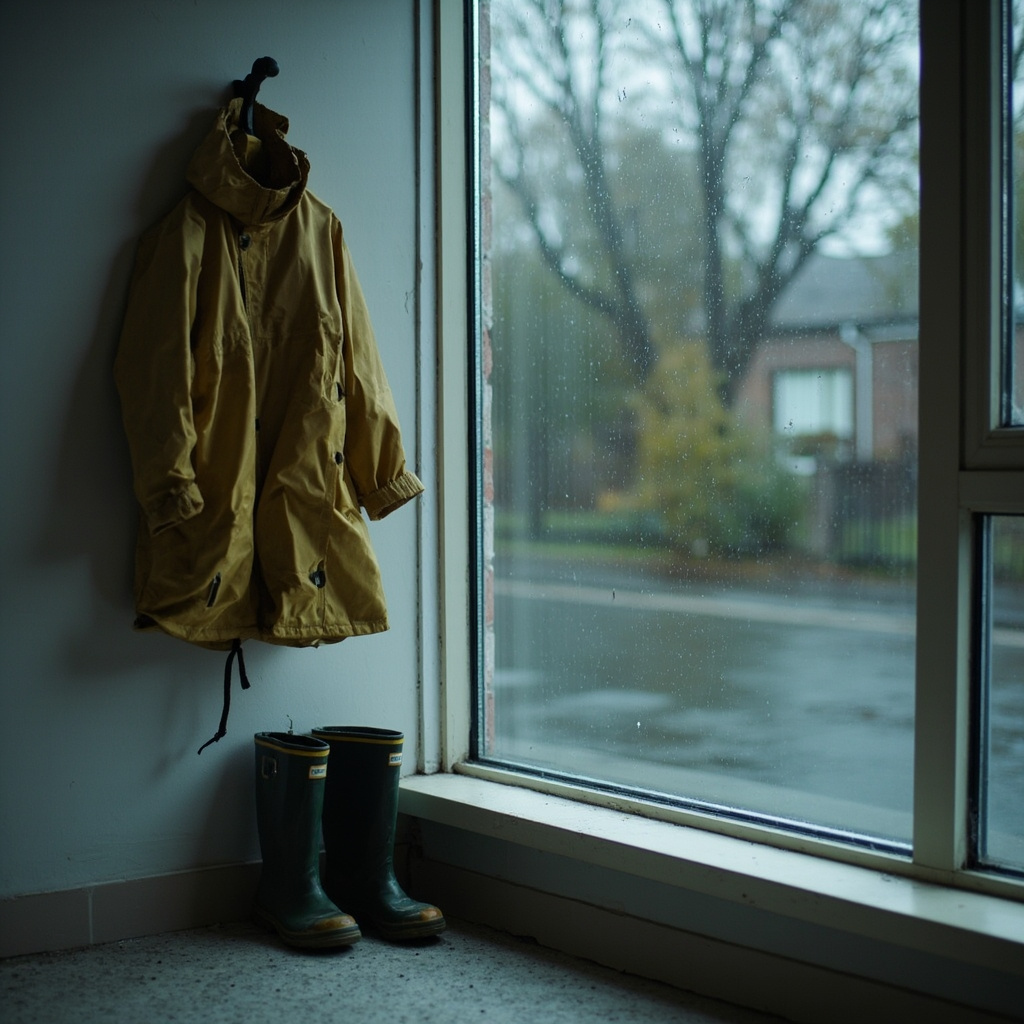
On the label of a rain jacket or a tent, you often see a number like 3000 mm or 8000 mm. That number is the water column. It tells you how waterproof the fabric is. Here is what it means and how much you need.
Imagine a tall tube placed on top of the fabric, filled with water. The water presses down on the fabric. The higher the column of water, the more pressure. The water column is the height at which water starts to come through. A fabric with 8000 mm can carry a column of water eight meters high before it leaks.
Real rain doesn’t stand eight meters high on your jacket, of course. But pressure comes from other places. When you sit on a wet bike saddle, your weight pushes water into the fabric. A backpack strap presses on your shoulders. Wind drives rain against you. That is why a higher number matters.
A jacket is made of pieces of fabric sewn together. Every stitch is a tiny hole. In heavy rain, water finds those holes. That is why good rain gear has taped seams: a thin strip of waterproof tape on the inside covers every line of stitching. A fabric of 8000 mm with open seams leaks at the shoulders within an hour.
A fully closed jacket keeps rain out, but it also keeps the warmth and moisture of your body in. On a bike, you can end up wet from sweat. Look for zips under the arms. Open them when you get warm, and damp air escapes.
The outside of good rain gear has a water-repellent layer that makes rain bead up and roll off. Dirt and fabric softener damage that layer. Wash your rain jacket at thirty degrees, without softener, and hang it to dry. When rain stops beading, a new spray-on treatment brings it back.
For the unexpected shower, keep a rain poncho in your bag. For dry legs on the bike, add the Wolkendek men’s rain pants, black. And for dry feet, see the women’s rain boots of natural rubber.
Light, warmth, good food and a comfortable seat: how to make the garden a place to stay long after sunset.
Read moreRain outside, energy inside. Seven ways to keep children busy and happy at home, without a screen.
Read moreA good night starts with the bedroom. How light, temperature, humidity and sound affect your sleep, and what you can…
Read more